

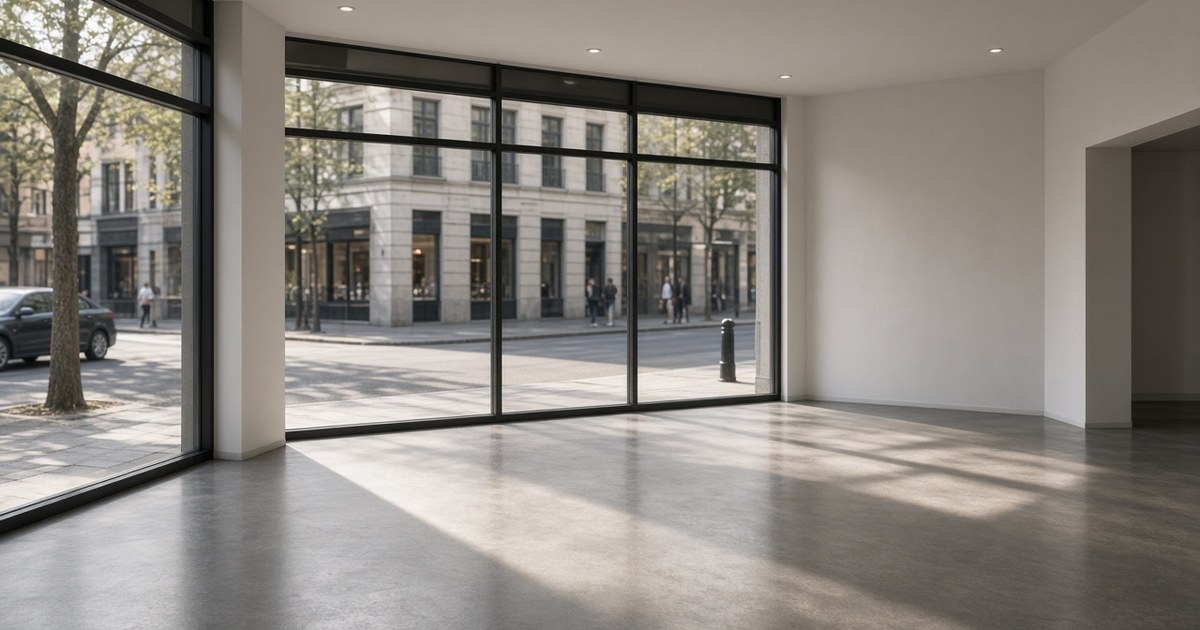
A good franchise location matches the brand’s target customers, offers suitable visibility, access and footfall, has manageable competition, and comes with lease terms the business can sustain. The best way to choose one is to combine the franchisor’s site criteria with your own on-the-ground research and professional advice on the lease.
Location can shape sales, costs and customer experience for years, and leases are often long commitments. This guide explains what franchisees, franchisors and commercial landlords typically weigh when assessing a site.
Why does location matter so much for a franchise?
For many franchise types, especially retail, food and personal services, customers choose based on convenience. A strong brand can struggle in a poor site, while the right site helps a new outlet reach customers from day one. Even service and delivery franchises need locations that fit their territory and logistics.
What factors should you assess for a franchise location?
Who lives, works or passes by?
Compare the local population, workers and visitors with the brand’s typical customer profile. Consider age groups, household types, spending habits and daytime versus evening activity.
How much footfall or traffic is there?
Observe the site at different times and days. Note whether passers-by are likely customers or simply commuting through.
Is the site visible and easy to reach?
Check sightlines, frontage, parking, public transport, pedestrian routes and accessibility for people with disabilities.
What is the competition and what are the neighbours?
Nearby competitors can signal demand but also split it. Complementary neighbours, such as businesses that attract similar customers, can help.
Is the space itself suitable?
Look at size, layout, storage, ventilation, utilities and whether the premises can meet brand fit-out standards and local planning or zoning rules.
Does it fit your territory?
Make sure the site sits within any territory granted in your agreement and does not conflict with other outlets.
What should you check in the lease?
- Rent, service charges and how increases are calculated
- Lease length, break clauses and renewal options
- Who pays for repairs, fit-out and reinstatement at the end
- Permitted use and any restrictions on trading hours or signage
- Whether the franchisor requires rights over the lease, such as taking it over if the franchise ends
- Any rent-free or incentive periods offered by the landlord
Lease conventions differ widely between countries, so local professional advice is essential.
A checklist for choosing a franchise location
- Get the franchisor’s written site criteria and approval process.
- Shortlist sites that fit your territory and budget.
- Visit each site at different times and record footfall and activity.
- Map competitors and complementary businesses nearby.
- Check access, parking, transport and accessibility.
- Confirm planning, zoning and permitted-use requirements.
- Estimate fit-out costs for each option.
- Build sales and cost projections for your preferred site.
- Have a property lawyer or surveyor review the lease before signing.
What do landlords look for in a franchise tenant?
Commercial landlords often consider a tenant’s financial strength, the brand’s reputation, how the business fits the tenant mix, and the likely length of commitment. Franchise tenants can be attractive because they bring an established brand and system, but landlords will still assess the individual franchisee. Clear plans and documented brand standards help both sides.
How do franchisors help with site selection?
Many franchisors provide site criteria, review proposed locations and sometimes help with lease negotiation. Ask exactly what support is included, as covered in our list of questions to ask a franchisor. Site support varies by brand and country.
How can you compare several sites fairly?
When you have more than one option, use a simple scoring sheet. List the factors that matter most for the brand, such as customer fit, footfall, visibility, access, competition, space suitability and total occupancy cost, and give each a weight. Score every site against the same criteria after visiting in person. This keeps the decision grounded in evidence rather than first impressions. Share the sheet with your franchisor to see whether their view matches yours, and ask existing franchisees which factors turned out to matter most for their own outlets.
This is general information, not legal or property advice. Ask a property lawyer and an accountant to review any lease and projections.
FAQ
Who chooses the location, the franchisor or franchisee?
It varies. Often the franchisee finds the site and the franchisor approves it, but some franchisors select sites themselves.
Is a busy high street always the best location?
Not necessarily. Higher footfall often means higher rent, and the right site depends on the brand’s customers and model.
How long are commercial leases for franchises?
It depends on the country, landlord and brand. Many franchisors prefer the lease length to align with the franchise term.
Can I move my franchise to a new location later?
Usually only with franchisor approval and in line with your lease and territory terms.
See more about what we are building on our Franchiseen project page.
Franchiseen, launching 22 November 2026, is being built to make this easier.




One Comment